


 CSTR:
 下载:


-
Plant-microbe interactions constitute a cornerstone of terrestrial ecosystems, shaping plant growth, stress resistance, and nutrient acquisition. Among these interactions, the mutualistic association between Trichoderma spp. and crop plants, particularly tomato (Solanum lycopersicum L.), has attracted extensive attention for its agricultural significance: Trichoderma not only enhances plant tolerance to biotic and abiotic stress but also promotes nutrient uptake. In return, plants provide the fungus with photosynthates and a niche for colonization[1−2]. Deciphering the molecular mechanisms underlying this mutualism is critical for optimizing Trichoderma-based biocontrol strategies and sustainable crop production. To date, research on Trichoderma-plant interactions has primarily focused on protein-coding genes and small RNAs (e.g., miRNAs), while the regulatory roles of long non-coding RNAs (lncRNAs), transcripts >200 nucleotides with limited protein-coding potential, remain largely unexplored.
LncRNAs have emerged as pivotal regulators of gene expression in eukaryotes, exerting control through diverse mechanisms: cis-regulation of neighboring genes via chromatin modification or transcriptional interference, trans-regulation of distant targets through co-expression networks, and post-transcriptional modulation by base pairing with mRNAs or miRNAs[3−4]. In plant-microbe interactions, lncRNAs have been demonstrated to fine-tune core biological processes. For example, Malnc2310, a banana lncRNA induced by Fusarium oxysporum f. sp. cubense infection, interacts with proteins involved in the flavonoid pathway, and influences anthocyanin accumulation under stress in transgenic Arabidopsis, suggesting a potential role in flavonoid metabolism and stress responses[5]; in resistant rice lines infected with Magnaporthe oryzae, numerous intergenic lncRNA candidates were computationally identified, implying roles in defense regulation[6]. These findings highlight lncRNAs as key mediators of plant responses to microbial colonization. Nonetheless, the functional roles of lncRNAs in Trichoderma-plant mutualism remain poorly characterized.
LncRNAs can be classified by genomic location (e.g., intergenic, intronic, antisense) or by functional association (e.g., cis-acting, trans-acting), with each category often linked to distinct regulatory roles. Intergenic lncRNAs, for example, frequently modulate adjacent genes involved in stress responses, while antisense lncRNAs regulate mRNA stability or translation efficiency[7]. Moreover, lncRNAs exhibit time-specific expression patterns, making them ideal candidates for mediating the dynamic, stage-dependent processes of Trichoderma colonization from spore attachment and germination to mycelial network formation[8]. Characterizing the key lncRNA during these colonization stages could reveal novel regulatory networks that govern mutualistic cross-talk.
The structural and functional diversity of lnc RNAs emphasize their potential importance in Trichoderma-tomato interactions. Despite recent progress in lncRNA research, several gaps persist in our understanding of their roles in Trichoderma-plant interactions: (1) the identity and expression dynamics of lncRNAs during Trichoderma colonization of tomato roots remain unreported; (2) the regulatory mechanisms of lncRNAs (e.g., cis- vs. trans-regulation) in mediating mutualistic traits (e.g., stress tolerance, nutrient uptake) are unclear; (3) the functional links between lncRNAs and core metabolic pathways (e.g., autophagy, lipid metabolism) in Trichoderma-tomato interactions have not been established. Addressing these gaps is essential to advancing our understanding of mutualistic regulation and to identifying targets for improving Trichoderma-based crop management.
In this study, we identified the lncRNA transcriptome of tomato roots colonized by Trichoderma asperellum DQ-1 (a green fluorescent protein (GFP)-labeled strain) at key time points post inoculation (0, 8, 24, 40 hpi). We identify lncRNAs and analyze their structural features (length, exon number) and expression patterns and further dissect the regulatory roles via functional enrichment of lncRNAs’ cis-targeted mRNAs (using GO and KEGG analyses). We also verified lncRNA expression at different time points during Trichoderma colonization. The findings of this study provide an initial overview of lnc RNA expression dynamics associated with Trichoderma-tomato interaction, offering preliminary insights into the potential molecular processes underlying plant-fungus cross-talk and laying a foundation for future functional validation of candidate lncRNAs.
-
The fungal strain T. asperellum DQ-1-GFP was procured from the Ministry of Education Key Laboratory of Green Prevention and Control of Tropical Diseases and Pests, located at the School of Tropical Agriculture and Forestry of Hainan University. T. asperellum was cultured on potato dextrose agar (PDA) under controlled conditions at 28 °C for seven days. Subsequently, conidia were harvested by flooding the fungal colonies with sterile double-distilled water, then filtered and quantified to achieve a standardized inoculum density of 1×10⁷ spores·mL−1.
The seedlings of the inbred tomato cultivar 'Xinfan 2' were cultivated in a greenhouse under long-day photoperiod conditions (16 h light∶ 8 h dark)at 25 ℃. Tomato seedlings were surface-sterilized with 0.1% sodium hypochlorite for 10 minutes under aseptic conditions and then hydroponically cultured in Hogland’s nutrient solution. After three weeks, uniform tomato seedlings were selected and inoculated with the Trichoderma spore suspension (final concentration of 1 × 10⁶ spores· mL−1). Each treatment was performed with three independent biological replicates to ensure reproducibility. The Trichoderma spore samples were harvested from the tomato at 8, 24, and 40 hpi.
-
To investigate the dynamic colonization of Trichoderma strain DQ-1 in tomato roots, GFP-labeled DQ-1 spore suspensions (final concentration of 1 × 10⁶ spores·mL−1) were used to inoculate tomato roots under hydroponic conditions (28 °C, 12 h∶ 12 h light-dark cycle). A confocal laser scanning microscope (Zeiss, LSM 980 with Airyscan 2) was used to observe and image Trichoderma colonization in tomato roots at 4-hour intervals, to provide a scientific reference for determining subsequent sampling time points.
-
Total RNA was isolated using the Trizol reagent kit (Invitrogen, Carlsbad, CA, USA) according to the manufacturer’s recommended procedures. RNA integrity was evaluated with an Agilent
2100 Bioanalyzer (Agilent Technologies, Palo Alto, CA, USA) and further verified via RNase-free agarose gel electrophoresis. After total RNA isolation, ribosomal RNAs (rRNAs) were depleted to preserve messenger RNAs (mRNAs) and non-coding RNAs (ncRNAs). The enriched mRNAs and ncRNAs were fragmented into short segments using fragmentation buffer, followed by reverse transcription into complementary DNA (cDNA) with random hexamers. Second-strand cDNA synthesis was performed using DNA polymerase I, RNase H, deoxynucleotide triphosphates (dNTPs, with dUTP substituting dTTP), and corresponding reaction buffers. The resulting cDNA fragments were then purified using the QiaQuick PCR purification kit (Qiagen, Venlo, The Netherlands), subjected to end repair, poly (A) tail addition, and ligation with Illumina sequencing adapters. Uracil N-Glycosylase (UNG) was subsequently employed to digest the second-strand cDNA. The digested products underwent size selection via agarose gel electrophoresis and PCR amplification, and were sequenced on the Illumina HiSeqTM4000 platform (or alternative sequencing systems) by Gene Denovo Biotechnology Co., Ltd. (Guangzhou, China). -
Reads obtained from the sequencing machines included raw reads containing adapters or low quality bases which would affect the following assembly and analysis. Thus, to get high quality clean reads, reads were further filtered by fastp (version 0.18.0)[9] . The short-reads alignment tool Bowtie 2 (version 2.2.8)[10] was used to map reads to the SILVA ribosomal RNA database (SILVA rRNA database;
https://www.arb-silva.de/ ). The rRNA mapped reads were then removed. The remaining reads were further used in the assembly and analysis of transcriptome. An index of the DQ-1 genome (https://www.ncbi.nlm.nih.gov/datasets/genome/GCA_017945965.1/ )was built, and paired-end clean reads were mapped to the reference genome using HISAT2 (version 2.1.0)[11] with “-rna-strandness RF” and other parameters set as a default. -
Two software tools, CNCI (version 2)[12] and CPC2[13] (
http://cpc.cbi.pku.edu.cn/ ), were employed to evaluate the protein-coding potential of novel transcripts using default parameters. The intersection of results from both tools showing no ability to encode proteins was defined as lncRNAs.For lncRNA family analysis, Rfam (
https://rfam.org/ ) is an annotated open-access database that includes information ncRNA families, consensus RNA secondary structures, and other structured RNA elements. Rfam classifies ncRNAs into families based on their evolutionary origin from a common ancestor. Similar to protein family analysis, generating multiple sequence alignments of these ncRNA families can provide insights into their structural and functional characteristics. To enhance the evolutionary annotation of lncRNAs, the software Infernal (version 1.1.2; http://eddylab.org/infernal/)[14]was utilized for sequence alignment, and lncRNAs were categorized according to their secondary structures and sequence conservation. For the identification of antisense lncRNAs, we focused on the sequence complementarity between lncRNAs and mRNAs, given that antisense lncRNAs, like other regulatory RNAs (miRNAs and snoRNAs), typically exert regulatory functions via complementary base pairing-a mechanism involved in modulating gene silencing, transcription, and mRNA stability in diverse biological processes. To elucidate the interaction between antisense lncRNAs and mRNAs, the software RNAplex (version 0.2;
http://www.tbi.univie.ac.at/RNA/RNAplex.1.html )[15]was used to predict their complementary correlations. This software integrates the ViennaRNA package, and optimal base pairing was predicted based on thermodynamic structure calculations to determine the minimum free energy. Transcripts abundances were quantified by software StringTie in a reference-based approach[16]. For each transcription region, an FPKM (fragments per kilobase of transcript per million mapped reads) value was calculated to quantify its expression abundance and variations, using StringTie software. For lncRNA cis-regulation analysis, one of the key functions of lncRNAs is the cis-regulation of neighboring genes on the same allele. Upstream lncRNAs overlapping with promoters or other cis-elements may regulate gene expression at the transcriptional or post-transcriptional level, while downstream lncRNAs or those located in the 3’ untranslated region (3’UTR) may exert other regulatory effects. Therefore, lncRNAs previously annotated as "unknown region" were re-annotated. LncRNAs within 100 kb upstream or downstream of a gene were considered potential cis-regulators, and their cis-target genes in T. asperellum were subjected to Gene Ontology (GO) functional enrichment analysis and Kyoto Encyclopedia of Genes and Genomes (KEGG) pathway enrichment analysis.
-
For quantitative reverse transcription PCR (qRT-PCR)analysis of lncRNAs, reverse transcription was performed using the PrimeScriptTM RT Reagent Kit with gDNA Eraser (TaKaRa) to synthesize first-strand cDNA from total RNA, following the manufacturer's instructions. The qRT-PCR assay was conducted using the SuperReal PreMix Plus kit (Tiangen Biotech) on a real-time PCR detection system. Specific primers for target lncRNAs were designed using software Primer Premier (version 5.0; Supplementary Table S2), and the primer specificity was verified by melting curve analysis. For lncRNA expression normalization in Trichoderma, the tef-1α gene was selected as the internal control. Relative gene expression was calculated using the 2−∆∆CT method.
-
To visualize the dynamic colonization process of Trichoderma on tomato roots, a GFP-labeled DQ-1 strain was utilized, and its colonization patterns were monitored at distinct time points post inoculation (hours post inoculation, hpi), including 0, 8, 24, and 40 hpi, via confocal microscopy. To exclude the interference of Trichoderma spores sedimenting on the root surface, tomato roots were treated with ultrasound prior to observation, thereby eliminating unattached spores. As depicted in the Fig. 1, no GFP signal was detected at 0 hpi in the tomato root tissues, indicating the absence of Trichoderma colonization. At 8 hpi, discrete GFP-positive spots (indicated by the arrow) were observed on the root surface, suggesting the initial attachment and germination of Trichoderma spores. By 24 hpi, GFP signals became more prominent and exhibited early hyphal development (marked by the arrow), reflecting the progression of colonization. At 40 hpi, extensive GFP-labeled hyphal networks (indicated by the arrow) had formed on the root surface, demonstrating the robust and widespread colonization of Trichoderma at this stage. Collectively, these results illustrate the temporal dynamics of Trichoderma colonization on tomato roots, encompassing spore attachment, germination, hyphal elongation, and the formation of an extensive mycelial network over time.
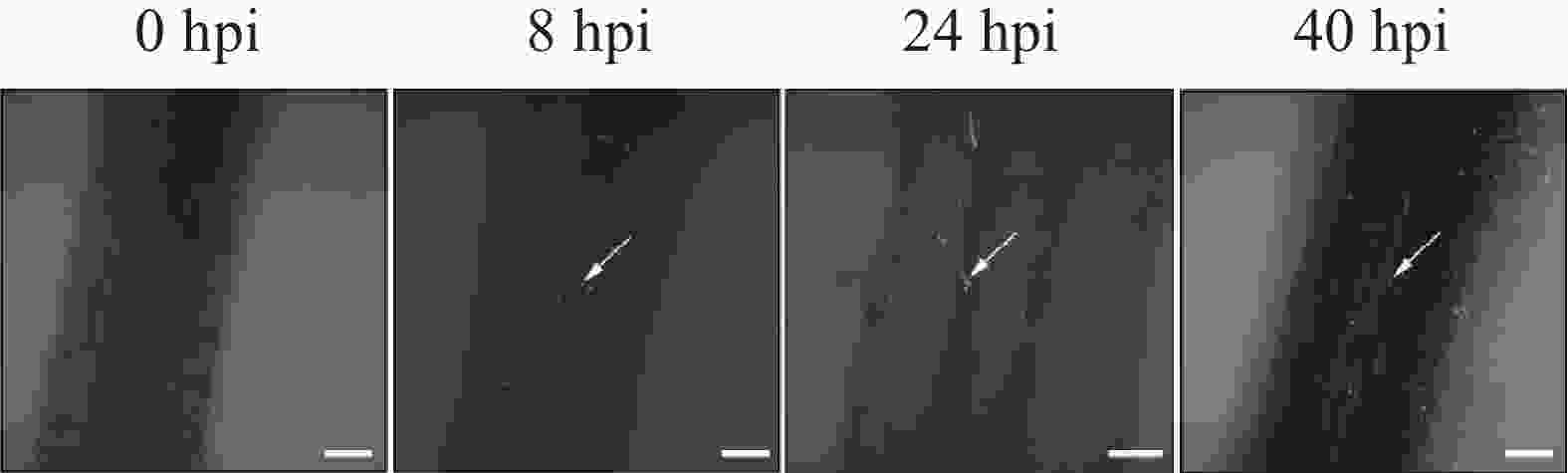
Figure 1. Dynamic colonization of tomato roots by GFP-labeled Trichoderma asperellum DQ-1 at different hours post inoculation (hpi).
-
To characterize the molecular events underlying Trichoderma-tomato interactions, total RNA was extracted from co-cultured samples at 0, 8, 24, and 40 hpi. Subsequently, the lncRNA library was constructed following the protocol described in Fig. S1. A total of 79,385,238 clean reads (defined as 100% baseline) were obtained. We identified a total of 78,824,832 clean reads, accounting for 99.29% of the total reads. The residual reads were assigned to adapter contaminants (122,660 reads, 0.15%), low-quality reads (437,700 reads, 0.55%), and poly (A) sequences (0 reads, 0%), respectively (Table 1).
Table 1. Mapping statistical analysis of non-coding RNAs sequences in T. asperellum DQ-1
Category Reads count Percent/% Raw data 79385238 100 Clean data 78824832 99.29 Adapter 122660 0.15 Low quality 437700 0.55 polyA 0 0 To identify lncRNAs, all reads were first aligned to the genome of T. asperellum DQ-1. Among all detected reads, genes with 80%–100% coverage formed the largest proportion (33.63%), followed by those with 60%–80% coverage (12.54%), while those with 40%–60%, 20%–40%, and <20% coverage accounted for 15.41%, 20.93%, and 17.49%, respectively (Fig. S2). Subsequently, five major lncRNA categories (intergenic, bidirectional, intronic, antisense, and sense overlapping) were quantified from Trichoderma-tomato interaction samples. To define high-confidence lncRNA candidates, we used two computational tools (CNCI and CPC2) to predict non-protein-coding transcripts: 993 transcripts were commonly identified by both tools (these overlapping ones were regarded as high-confidence candidates), 6 transcripts were uniquely predicted by CNCI, and 544 transcripts were uniquely identified by CPC2 (Fig. S3). In total, 993 high-confidence lncRNA candidates were identified, with intergenic lncRNAs being the most abundant (271), followed by sense overlapping (238) and intronic lncRNAs (210). Bidirectional (64), antisense lnc RNAs (42), and "others" (168) were less numerous (Fig. S4).
We summarize the key characteristics of the top 10 most highly expressed lncRNAs identified in the lncRNA transcriptome during the interaction between Trichoderma and tomato. These lncRNAs were annotated with unique transcript IDs (MSTRG IDs), and their genomic locations were precisely mapped to specific scaffolds of the reference genome (designated as CP072830.1 to CP072835.1), along with detailed coordinate ranges and strand orientations (+ for positive strand, − for negative strand).
In terms of structural features, all 10 lncRNAs exhibited a single-exon architecture, with lengths ranging from 213 nucleotides (nt) (MSTRG.851.1) to
1344 nt (MSTRG.2449.1), indicating considerable variation in their molecular sizes. Notably, only one lncRNA (MSTRG.851.1) was annotated with a corresponding gene ID (TasG_01313), while the remaining nine lncRNAs lacked known gene annotations, suggesting they represent novel transcripts identified for the first time in this interaction system. Expression levels of these lncRNAs, quantified as fragments per kilobase of transcript per million mapped reads (FPKM), varied substantially. MSTRG.3782.1 showed the highest expression (15704.97 FPKM), followed by MSTRG.851.1 (9613.92 FPKM) and MSTRG.1123.1 (4004.51 FPKM). Even the lowest-expressed lncRNA (MSTRG.2449.1) among the top 10 maintained a relatively high FPKM value of1276.52 , indicating its robust transcriptional activity during the Trichoderma-tomato interaction. -
To identify the target genes of Trichoderma lncRNAs in T. asperellum DQ-1 during Trichoderma-tomato interaction, we first compared their expression levels and transcript lengths (Fig. S5—6). The results show the density distribution of log10-transformed FPKM values: mRNAs and lncRNAs exhibit distinct log10 (FPKM) peaks, reflecting differential transcriptional activity. LncRNAs are enriched in the <500 nt (91.94%) and 500−
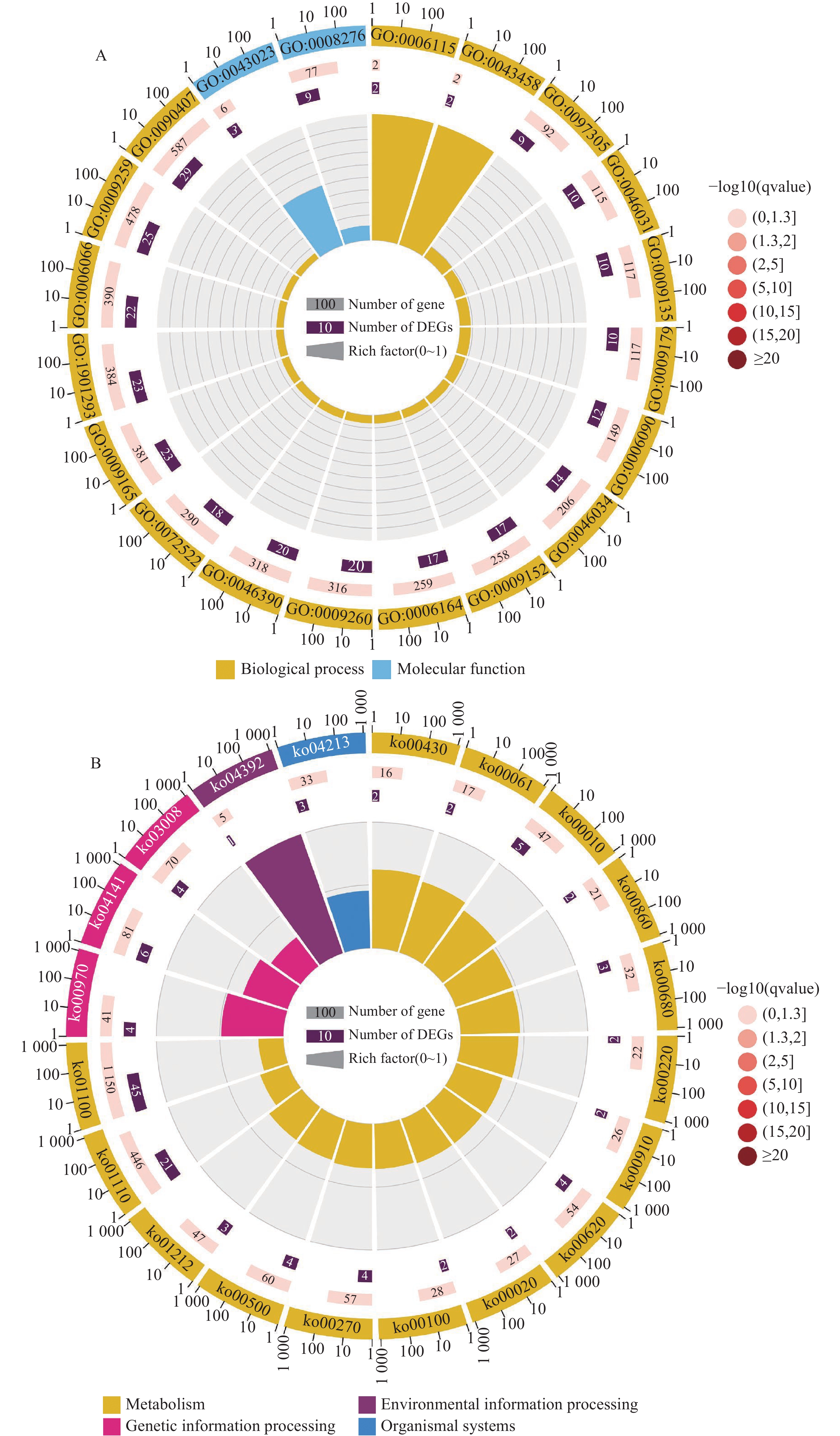
1000 nt (7.55%) intervals (rarely detected in ≥2000 nt ranges), while mRNAs are concentrated in the 0−2500 nt (90.2%) intervals.We generated two circular plots to comprehensively present the functional enrichment profiles of lncRNA antisense-target mRNAs identified in the Trichoderma-tomato interaction system (Fig. 2), integrating multiple key metrics for each enriched term/pathway. The plot is divided by GO category (Fig. 2-A): yellow shaded segments represent terms in the Biological Process (BP) category, while blue segments denote terms in the molecular function (MF) category (no cellular component terms are highlighted here). The inner layers encode quantitative metrics: the innermost ring indicates the number of annotated genes per term (scaled to 100), and the outermost gray ring represents the Rich Factor (range 0−1, a measure of enrichment intensity).
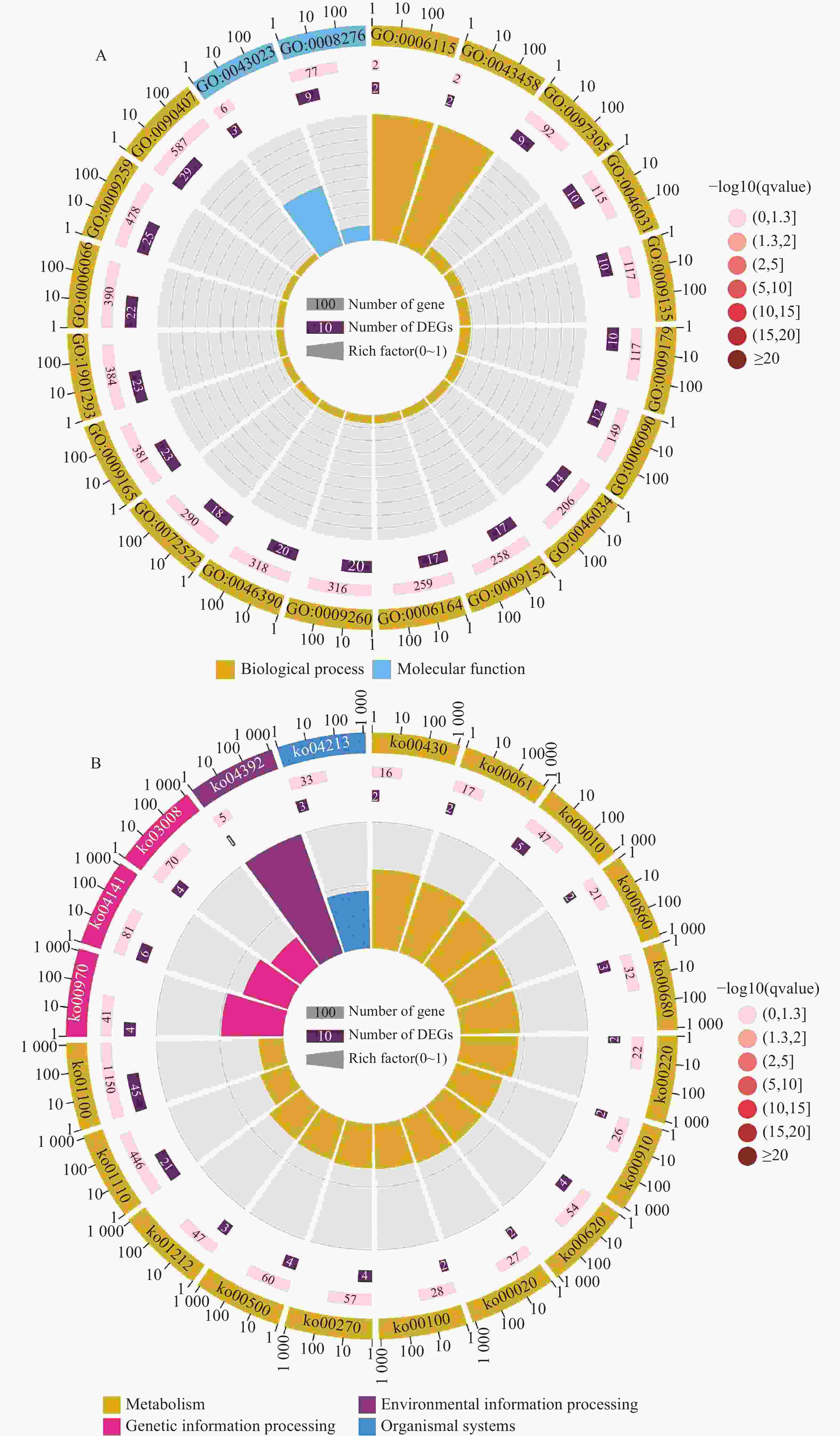
Figure 2. Circular plots of GO and KEGG enrichment for lncRNA antisense-target mRNAs in T. asperellun DQ-1
The outer ring lists specific GO term IDs (e.g., GO:0008276, GO:0006163) alongside their associated gene counts (e.g., 77, 115) and Rich Factor values. The color gradient of each term’s segment corresponds to −log10 (Qvalue) (ranging from light pink to dark red, where deeper colors indicate higher statistical significance of enrichment). Among these target genes, the top 20 target genes enriched for fungal growth and development, biosynthetic process, and energy metabolism were identified by these software programs (Fig. S7).
The KEGG pathway enrichment analysis (Fig. 2-B) is grouped by functional class, as indicated by the legend: Yellow segments represent metabolism pathways; pink segments denote genetic information processing; purple ones correspond to environmental information processing; and blue ones represent organismal systems. Similar to the GO plot, the inner layers quantify the number of annotated genes (scaled to 100), and the Rich Factor (0–1) for each pathway. The outer ring labels specific KEGG pathway IDs (e.g., ko04213, ko00430) with their respective gene counts (e.g., 33, 16) and Rich Factor values. The color gradient (light pink to dark red) again reflects -log10 (Qvalue), with pathways like ko00100 (labeled with a gene count of 100) showing a darker hue, indicating higher enrichment significance. Results show that these lncRNAs may play a role in regulating metabolic pathways and the biosynthesis of secondary metabolites during the interaction between Trichoderma and tomato (Fig. 8).
Together, these circular plots enable simultaneous visualization of enrichment category, statistical significance (−log10 (Qvalue)), and enrichment intensity (Rich Factor)for each GO term and KEGG pathway, providing a compact, information-dense summary of the functional landscape of lncRNA antisense-target mRNAs in this interaction.
-
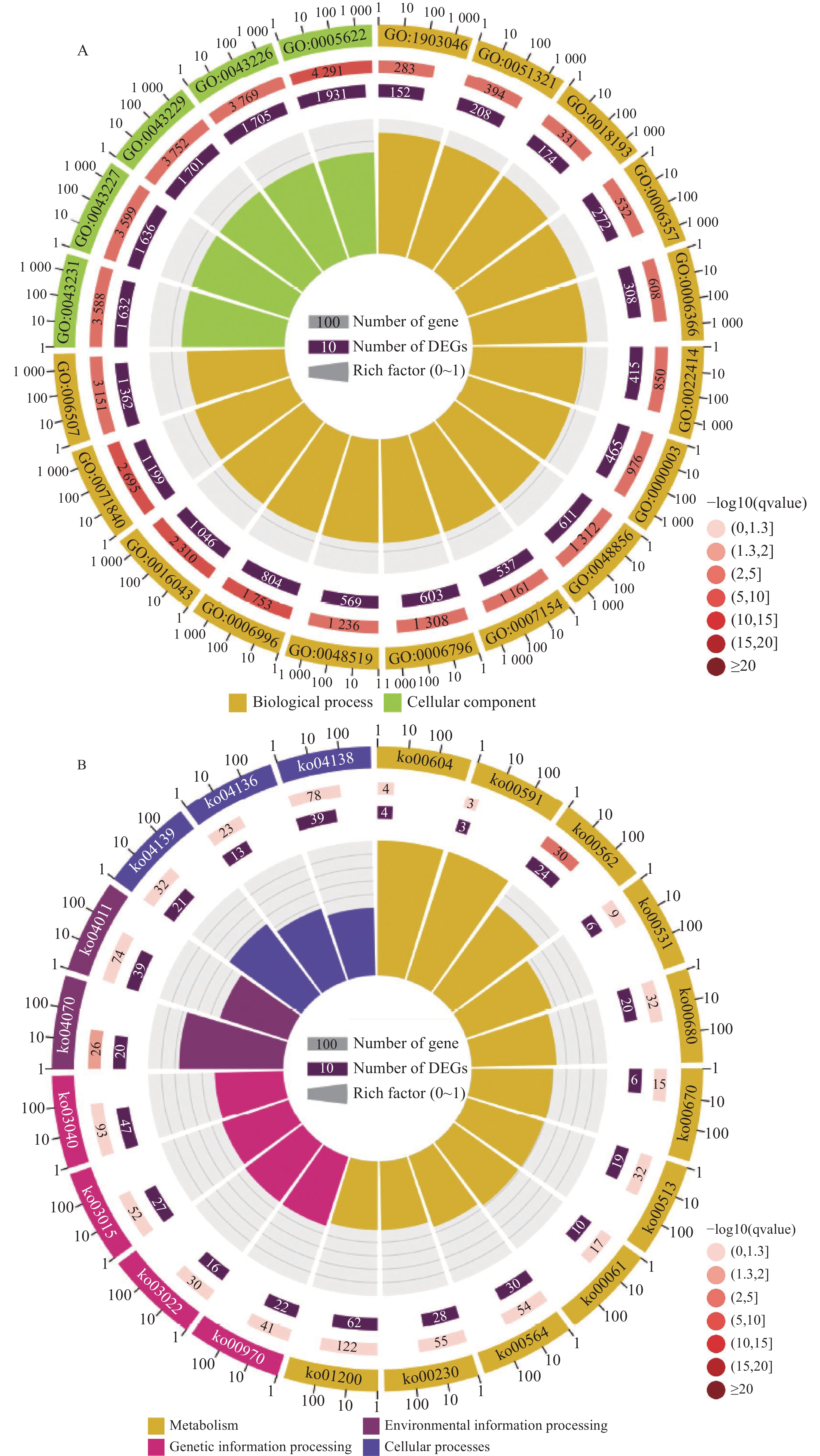
We next performed GO and KEGG enrichment analyses on the cis-target mRNAs regulated by these lncRNAs within the interaction-associated transcriptome. The GO enrichment results (Fig. 3-A), which are classified into three core categories: BP, cellular component (CC), and MF (Fig. 3-A). Among them, CC terms such as GO:0005622 (intracellular) and GO:0043226 (organelle) exhibit high gene counts (
4291 and3769 , respectively) and elevated -log10 (Qvalue) values, indicating that the cis-mRNAs we identified are predominantly localized to intracellular organelles (Fig. S9). In the BP category, terms including GO:0006366 (transcription from RNA polymerase II promoter) and GO:0007154 (cell communication) are significantly enriched with substantial gene counts, suggesting active involvement of these cis-mRNAs in transcriptional regulation and intercellular signaling during the interaction.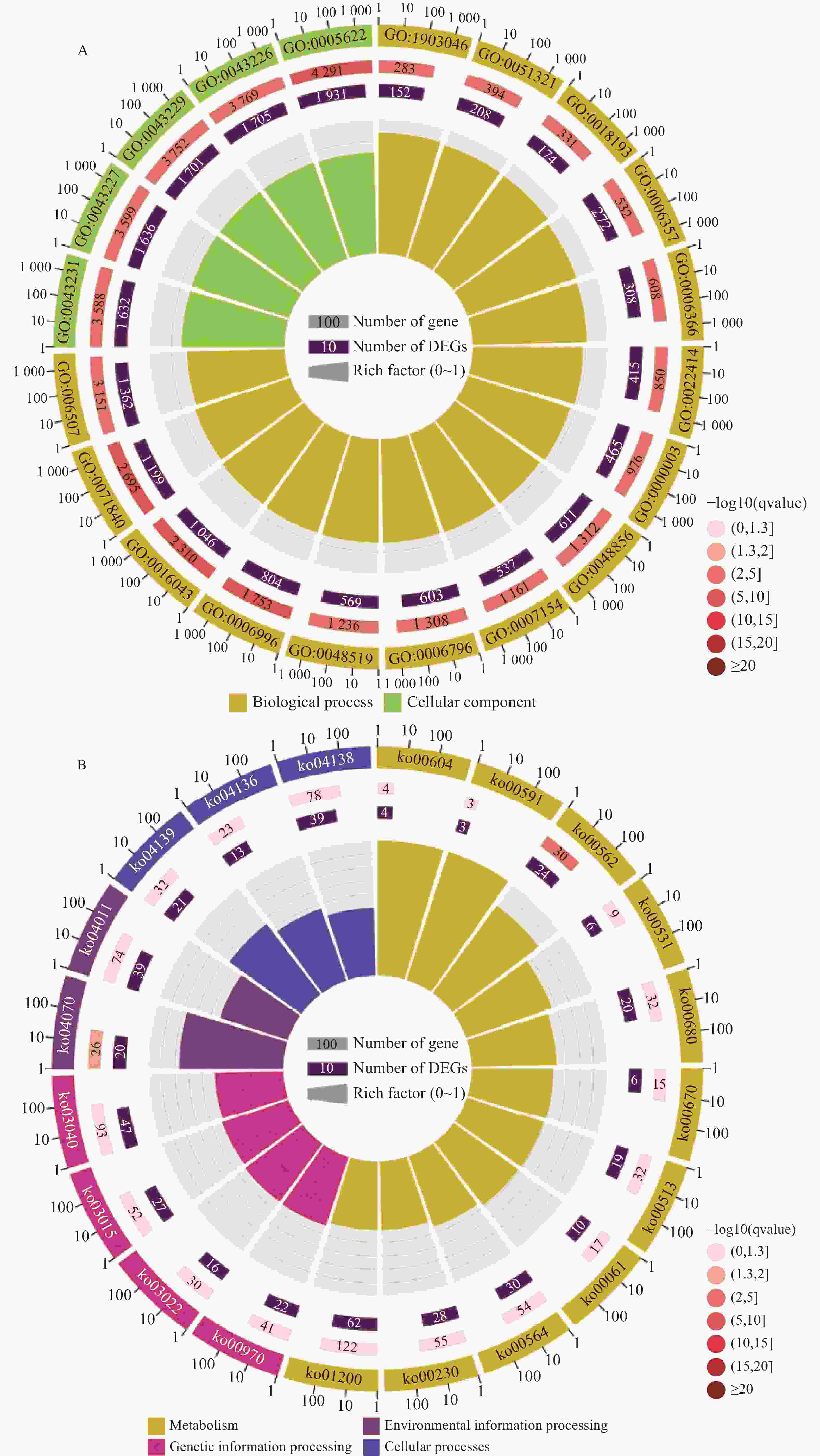
Figure 3. Circular plots of GO and KEGG enrichment for lncRNA cis-target mRNAs in T. asperellum DQ-1
Enriched KEGG pathways are categorized into four functional classes: metabolism, genetic information processing, environmental information processing, and cellular processes (Fig. 3-B). Key enriched pathways included ko04138 (Autophagy-yeast), ko00604 (Glycosphingolipid biosynthesis-ganglio series), and ko00591 (Linoleic acid metabolism)in the Metabolism category, as well as ko04136 (Autophagy-other eukaryotes) and ko04011 (MAPK signaling pathway-yeast)in the Environmental Information Processing category (Fig. S10). These pathways exhibit high statistical significance as indicated by high log10 (Qvalue)) and moderate to high Rich Factors, with gene counts ranging from tens to hundreds. Notably, pathways related to autophagy, lipid metabolism, and signal transduction are prominently enriched, implying that the cis-mRNAs may mediate the Trichoderma-tomato interaction by regulating nutrient metabolism, stress-induced autophagy, and cellular signaling cascades.
-
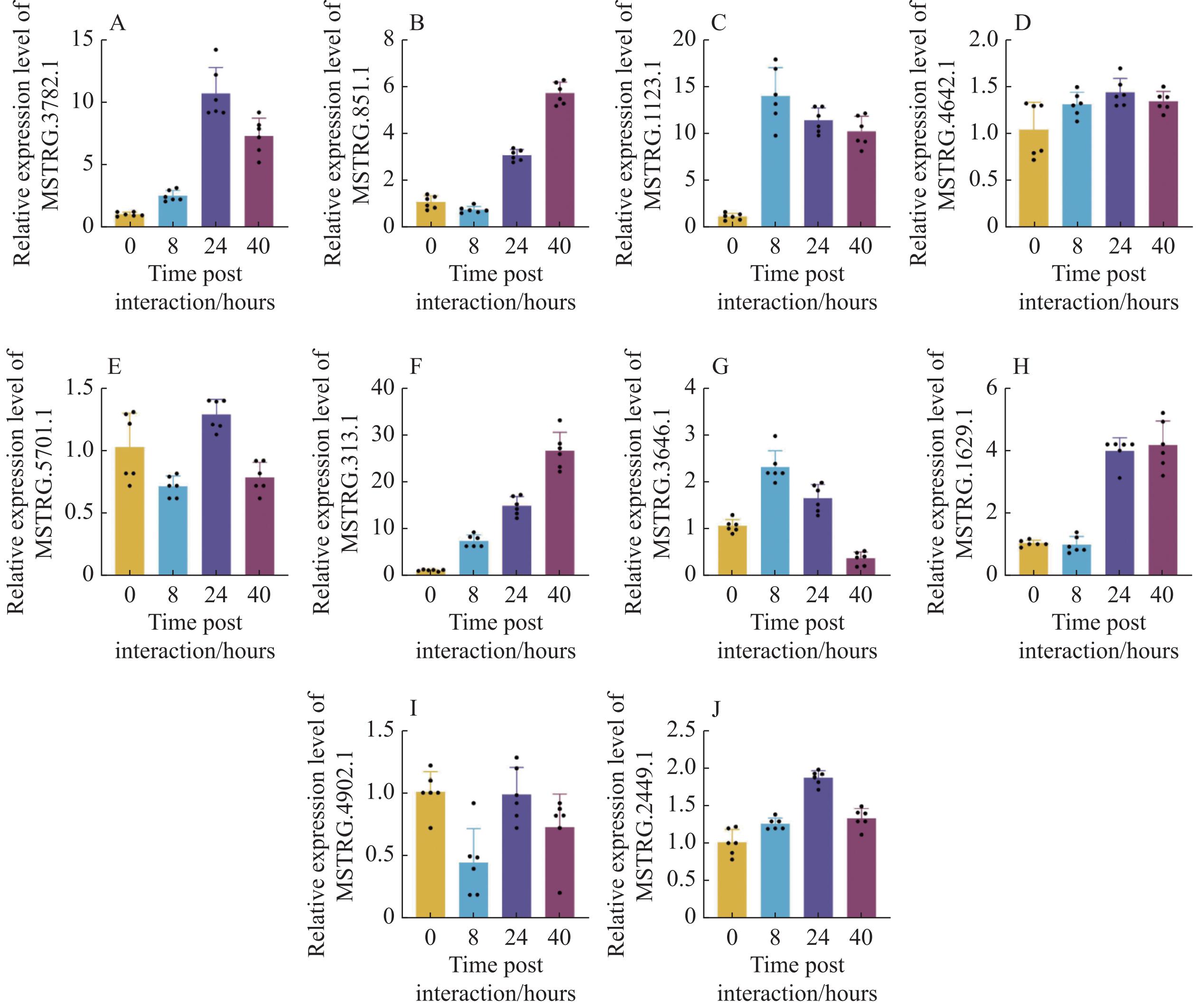
To investigate the expression of lncRNAs at different time points during the interaction, the 10 most highly expressed lncRNA candidates (Table 2) were selected, and their expression profiles were analyzed by qRT-PCR (Fig. 4). The results reveal dynamic expression patterns of the tested lncRNAs across the interaction process. lncRNAs exhibit low basal expression at 0 hpi, followed by significant upregulation at 8-24 hpi (coinciding with initial spore germination and hyphal establishment) and sustained high expression or further induction at 40 hpi (Fig. 4-B, D, F, H). A subset of lncRNAs shows peak expression at 24 hpi (Fig. 4-A, D, E, G), while others maintain progressively increasing expression from 8 to 40 hpi, reflecting stage-specific transcriptional activation of lncRNAs during T. asperellum-tomato mutualism. Notably, results showed that lncRNA MSTRG.
1123.1 may have an important role in the early stage of the interaction between Trichoderma and tomato roots (Fig. 4-C). In addition, the expression level of MSTRG.313.1 was higher than that of other lncRNAs (Fig. 4-F), suggesting that it may have a distinct regulatory role in the interaction between Trichoderma and tomato roots.Table 2. Top 10 most highly expressed lncRNAs during the interaction between Trichoderma and tomato
Novel lncRNAs Location Length/nt Gene_id Exon number FPKM LncRNA type MSTRG.3782.1 CP072833.1: 933460 -933796 +337 - 1 15704.97 Bidirectional MSTRG.851.1 CP072830.1: 5340175 -5340387 +213 TasG_01313 1 9613.92 Intronic MSTRG.1123.1 CP072830.1: 65437876 -544049 -263 - 1 4004.51 Bidirectional MSTRG.4642.1 CP072833.1: 5329257 -5329513 -257 - 1 3296.37 Others MSTRG.5701.1 CP072835.1: 673764 -674135 -372 - 1 3131.93 Others MSTRG.313.1 CP072830.1: 2612840 -2613096 -280 - 1 1934.61 Intergenic MSTRG.1629.1 CP072831.1: 2043608 -2044031 +424 - 1 1641.99 Bidirectional MSTRG.4902.1 CP072834.1: 1593299 -1593590 -292 - 1 1471.92 Intronic MSTRG.2449.1 CP072831.1: 5712222 -5713565 +1344 - 1 1276.52 Bidirectional 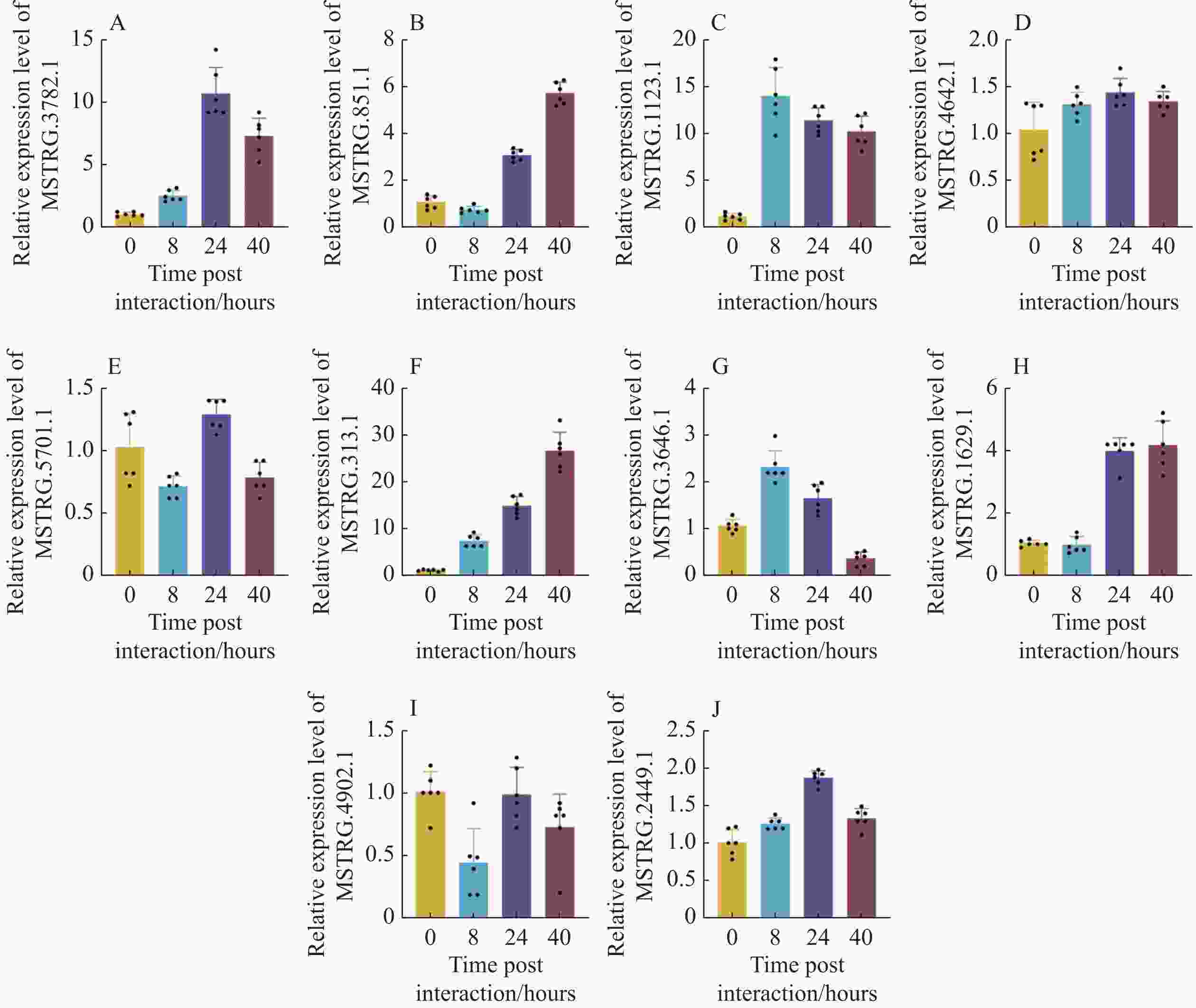
Figure 4. qRT-PCR for the expression analysis of T. sperellum DQ-1 lncRNAs.
-
lncRNAs have emerged as pivotal regulators in plant-microbe interactions, orchestrating diverse biological processes through cis-acting, trans-acting, and antisense regulatory mechanisms[4,17]. In this study, we identified lncRNA in the Trichoderma-tomato interaction system, and unraveled their dynamic expression patterns, structural features, and functional potential during fungal colonization. These findings provide novel insights into the regulatory networks underlying Trichoderma-tomato mutualism and expand our understanding of lncRNA-mediated plant-fungus cross-talk.
The dynamic colonization of T. asperellum DQ-1 on tomato roots, encompassing spore attachment (8 hpi), hyphal initiation (24 hpi), and extensive mycelial network formation (40 hpi), establishes a temporal framework for dissecting lncRNA function. The sequential activation of lncRNA transcription during these colonization stages suggests that lncRNAs may act as molecular switches to modulate plant responses to fungal invasion. Notably, the identification of 993 lncRNAs with distinct classification patterns-intergenic lncRNAs as the most abundant (271), followed by sense overlapping (238)and intronic lncRNAs (210), aligns with the genomic distribution characteristics of lncRNAs in other plant-microbe interaction systems[18−19]. This diversity in lncRNA types implies multifaceted regulatory roles, as intergenic and antisense lncRNAs are typically associated with cis-regulation of neighboring genes and post-transcriptional modulation of mRNA stability, respectively[20].
Structural and expression analyses of the top 10 highly expressed lncRNAs further highlight their potential functional significance. All the 10 lncRNAs exhibit a single-exon architecture, consistent with the structural simplicity of lncRNAs reported in fungi and plants[21], while their length variation (213–
1344 nt) reflects structural flexibility that may facilitate interactions with diverse molecular targets. The extremely high FPKM values of these lncRNAs (1276.52 −15704.97 ) indicate robust transcriptional activity during Trichoderma-tomato interaction, with MSTRG.3782.1 and MSTRG.851.1 (annotated with TasG_01313) standing out as candidate core regulators. The scarcity of known gene annotations for 9 out of 10 lncRNAs suggests that Trichoderma-tomato interaction-specific lncRNAs may have evolved to mediate species-specific cross-talk, a phenomenon also observed in plant-pathogen interactions[22].Comparative analysis of lncRNAs and mRNAs reveals distinct molecular characteristics that support their functional differentiation. LncRNAs are enriched in the <500 nt (91.94%) and 500−
1000 nt (7.55%) intervals (rarely detected in ≥2000 nt ranges), while mRNAs are concentrated in the 0–2500 nt (90.2%) interval, which is consistent with the general structural features of lncRNAs (non-coding, shorter transcripts) and mRNAs (coding, longer transcripts with complete open reading frames)[23]. The differential density distribution of log10 (FPKM) values between lncRNAs and mRNAs indicates divergent transcriptional regulation strategies: mRNAs may undergo more precise expression modulation to fulfill coding functions, while lncRNAs exhibit broader expression patterns that enable rapid responses to biotic stimuli[23]. These structural and expression divergences collectively validate the reliability of lncRNA identification in this study and lay the foundation for functional characterization.Functional enrichment analyses of lncRNA-targeted antisense-mRNA and cis-mRNAs provided critical clues to the intrinsic regulatory roles of lnc RNAs in T. asperellum DQ-1 during its interaction with tomato roots. GO enrichment results showed that these cis-mRNAs were significantly enriched in CC terms such as “intracellular” (GO:0005622) and “organelle” (GO:0043226), and BP terms including “transcription from RNA polymerase II promoter” (GO:0006366) and “cell communication” (GO: 0007154). These findings suggest that Trichoderma lncRNAs may exert cis-regulatory effects to modulate fungal intracellular structural organization, transcriptional regulation, and signal transduction-core physiological processes underlying fungal adaptation to the plant root microenvironment and successful colonization[24]. A typical example comes from the study on Trichoderma guizhouense NJAU
4742 , where1676 lncRNAs were identified,1496 of which targeted2269 protein-coding genes. Among these, multiple lncRNAs were found to target genes encoding carbohydrate-active enzymes and proteases, and 30 of these lncRNAs showed significantly altered expression during the mycoparasitism process of Trichoderma against pathogens. Specifically, several cis-acting lncRNAs in this strain were co-expressed with their adjacent genes involved in cellular metabolic processes, which is consistent with our finding that lncRNAs regulate intracellular structural organization and transcriptional activities[25]. The study systematically identified lncRNAs in T. guizhouense NJAU4742 using strand-specific RNA-seq and confirmed that lncRNA target genes are predominantly enriched in metabolic process, catalytic activity and cellular process, which further validates the evolutionary conservation of lncRNA-mediated metabolic regulation in Trichoderma species. Another relevant case is the HAX1 lncRNA identified in Trichoderma reesei, which effectively regulates the expression of cellulase genes associated with transcription and catalytic functions by interfering with the negative feedback regulatory loop of the major transcriptional activator xylanase regulator 1 (Xyr1)[26]. This echoes our GO enrichment result of catalytic activity and suggests that Trichoderma lncRNAs universally modulate core metabolic gene transcription to support interactions with plant roots. These findings confirm that Trichoderma lncRNAs may exert cis-regulatory effects to modulate fungal intracellular structural organization, transcriptional regulation, and signal transduction-core physiological processes underlying fungal adaptation to the plant root microenvironment and successful colonization. KEGG pathway enrichment analysis further revealed that these Trichoderma antisense-mRNAs and cis-mRNAs are involved in core metabolic pathways and signal transduction cascades intrinsic to Trichoderma, including autophagy (ko04138, ko04136), lipid metabolism (ko 00591, ko00604), and the mitogen-activated protein kinase (MAPK) signaling pathway (ko04011). Although direct evidence of lncRNA regulating autophagy in Trichoderma is currently limited, the regulatory mechanism is well verified in eukaryotes and can be extended to Trichoderma by analogy. For example, in eukaryotic cells, lncRNA HNF1A-AS1 promotes autophagy by adsorbing miR-30b, which prevents miR-30b from binding to the autophagy-related gene Atg5[27]. The study on hepatocellular carcinoma confirmed that the HNF1A-AS1-miR-30b axis positively regulates autophagy-related genes and activates autophagic flux, which provides a typical model for the miRNA sponge mechanism of lncRNA in autophagy regulation . In Trichoderma, autophagy is critical for nutrient recycling in the nutrient-poor rhizosphere. Combined with the finding that lncRNAs in T. guizhouense NJAU4742 are extensively involved in transport and catabolism pathways, it can be inferred that Trichoderma lncRNAs may adopt a similar miRNA sponge mechanism to regulate autophagy-related genes like ATG family members, thereby enhancing nutrient utilization during root colonization[25]. The KEGG enrichment of lipid metabolism in our study aligns with the functional characteristics of Trichoderma lncRNAs in regulating secondary metabolism. In T. guizhouense NJAU4742 , numerous lncRNAs target genes related to secondary metabolite synthesis. Li et al. reported that 147 lncRNAs in this strain target genes encoding carbohydrate-active enzymes, proteases and secondary metabolite synthesis-related genes, among which 30 lncRNAs show significant expression changes during mycoparasitism[25]. Lipids, as important secondary metabolites, are essential for fungal cell wall synthesis and hyphal adhesion. The regulatory relationship between lncRNAs and secondary metabolic genes in this strain indirectly supports our conclusion that lncRNAs modulate lipid metabolism. This is because lipid metabolism intermediates are key precursors for many secondary metabolites, and lncRNA-mediated regulation of these pathways can indirectly affect lipid synthesis required for Trichoderma to attach to tomato roots. Direct links between MAPK pathways and Trichoderma’s biocontrol and colonization abilities have been reported. A study on Trichoderma brevicrassum TC967 identified three MAPK genes (Fus3-, Slt2-, and Hog1-MAPK, namely tbmk1, tbmk2, and tbmk3), which collectively regulate the expression of biocontrol-related genes such as those for secondary metabolites and cell wall-degrading enzymes[28]. Zhang et al. found that knockout of these MAPK genes in T. brevicrassum TC967 significantly altered mycelial growth, spore production, cell wall integrity and biocontrol ability against Rhizoctonia solani. Although these studies did not directly identify lncRNAs, combined with our finding that lncRNAs target MAPK pathway genes, and the widespread role of lncRNAs in regulating signal transduction pathways in T. guizhouense NJAU4742 , it is reasonable to confirm that lncRNAs in Trichoderma asperellum DQ-1 may regulate MAPK kinase genes. This regulation would further affect the activation of the MAPK cascade, enabling Trichoderma to perceive plant-derived signals and adjust colonization strategies, which is consistent with the regulatory pattern of MAPK pathways in T. brevicrassum.Several limitations of this study should be acknowledged. First, the functional characterization of lncRNAs is primarily based on bioinformatic predictions. Thus, experimental validation (e.g., overexpression, RNA interference, or CRISPR-mediated knockout) of key lncRNAs (e.g., MSTRG.1123.1, MSTRG.313.1) is needed to confirm their regulatory roles. Second, the specific contributions of lncRNAs to Trichoderma-mediated plant growth promotion and disease resistance require further investigation in field trials.
In conclusion, this study provides a comprehensive characterization of lncRNAs in the Trichoderma-tomato interaction system, revealing their structural diversity, dynamic expression patterns, and functional potential in mediating core biological processes and metabolic pathways. The findings suggest that lncRNAs may act as key regulators of Trichoderma colonization and plant defense responses, offering novel targets for improving plant-microbe mutualistic interactions. Future studies focusing on the experimental validation of candidate lncRNAs and their regulatory networks will deepen our understanding of the molecular mechanisms underlying plant-fungus cross-talk and facilitate the development of sustainable agricultural strategies.
全文HTML
1.1. Trichoderma strain, plant material and sample collection
1.2. Colonization dynamics of Trichoderma spp. on plant root systems
1.3. RNA extraction, strand-specific library construction and sequencing
1.4. Data processing
1.5. lncRNA prediction
1.6. Quantitative Reverse Transcription PCR verification
2.1. Dynamic colonization characteristics of Trichoderma strain DQ-1 on tomato root rhizoplane
2.2. Identification of lncRNAs in T. asperellum
2.3. Prediction of lncRNA transcriptome characteristics and antisense-target enrichment in Trichoderma-tomato interaction
2.4. Prediction and functional analysis of cis-target enrichment in Trichoderma-tomato interaction
2.5. Validation of the expression of T. asperellum DQ-1 lncRNAs during the interaction between Trichoderma and tomato roots by qRT-PCR assay
 20260024附图.zip |

|
